Hair Transplant
People are becoming more and more likely to suffer from hair loss. The process of baldness is natural. It is often connected to many external factors. It is possible for it to become irreversible or even permanent. The hair cloning in-vivo method can be utilized to perform a hair transplant. What is its precise nature? We will take a comprehensive examination of this topic.
HST hair transplantation is a natural option for treating baldness
Those who are bald have been denied the chance to regain their beautiful hair. A researcher doctor has come up with a revolutionary way to combat hair loss. This method is designed to perform hair transplants using hair stem cells. It’s a great innovation that doesn’t involve any risks or scares. The donor area has the chance to benefit from a new transplant or become a donor again.
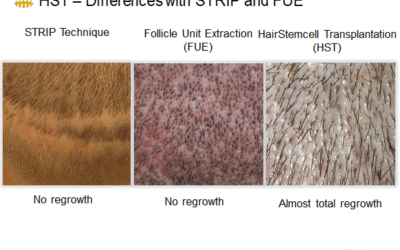
During stem cell hair transplantation, a part of the follicular unit is removed. Hair stem cells from the individual being treated are present in it. The graft will be implanted in the areas that are experiencing hair loss. Only a qualified doctor is qualified to carry out sampling. He employs a needle that is extremely fine. The donor area can be preserved by removing only one part of the hair follicle. As a consequence, hair growth will proceed as it normally does.
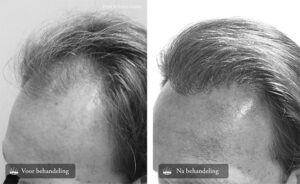 |
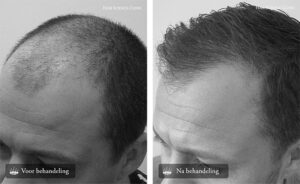 |
In-vivo hair cloning is done without any health risks
This method has been proven to be safe for hair growth and scalp health.
There are numerous advantages to it:
- The hair is free of scars or signs of surgery
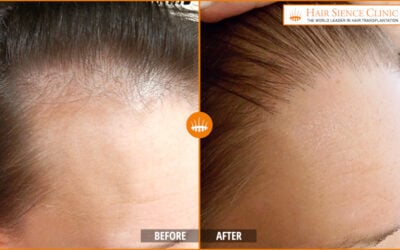
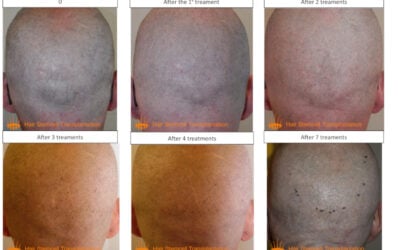
- It’s impossible to see the hair transplant even after shaving the head completely
- Whiteheads are not present as in traditional grafting techniques
- The donor area should be preserved
If alopecia persists, new grafts can now be implanted in the donor area thanks to this revolutionary in-vivo hair cloning technique.
The use of this method enables you to quickly recover your hair and return to a normal life. It makes it possible to clone hair without having to go through painful procedures that affect the donor area.
Other hair problems are also taken into consideration by the HST method. Improving hair density and preventing hair loss in the eyebrows is the purpose of this product. Hair loss caused by burns or regression of the hairline may also lead to this occurrence. The crown or bald spots can also be treated with it.
Recommendations for post-operative follow-up
The patient exits the medical center without a bandage on the same day. One of the advantages of the stem cell hair transplant technique is this. There is no scarring caused by the HST technique.
Fucidin cream will be prescribed by the doctor to be applied to the donor area. They will recommend particular actions to follow on a daily basis.
To prevent touching the affected areas and sleeping on the parts affected by the hair implant for the first few nights, it’s important to follow these instructions. Itching may appear after the third day, which is a sign of recovery.