
Many men are affected by androgenetic alopecia. This is triggered by more or less genetic factors. It is concentrated in areas of the head where male hormones are active, that is, in the upper regions of the scalp. Hair loss in men leads to several negative effects, including the perception of aging associated with a less attractive image.
 |
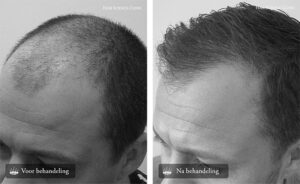 |
Alopecia as a Source of Psychological Distress and Stress
A man who feels older may develop a sense of insecurity, sometimes leading to consequences even within a couple. This increases discomfort and worsens the relationship one has with oneself. It generates significant stress. the best technique in the field of regenerative medicine. With autotransplantation, this is now generally achieved in different ways.
Autotransplantation with Simple Techniques
These techniques are the most well known. Unfortunately, they are limited by the follicular unit reserve of the occipital area. In fact, these techniques do nothing more than harvest and transfer the available follicular units, within the limits of supply, to the recipient areas.
Hair Restoration with Hair Stem Cell Transplantation
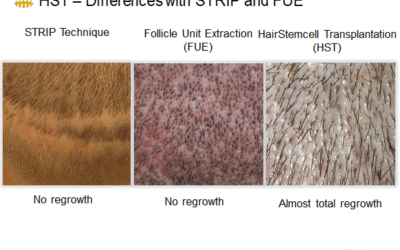
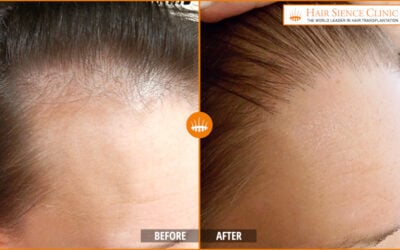
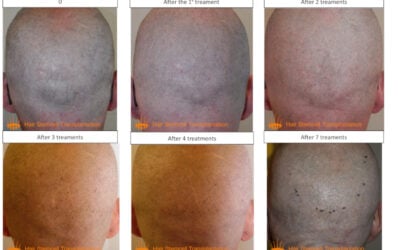
However, today it is possible to perform hair restoration using what is the best technique available today, the one that multiplies hair and performs in vivo cloning in the patient by multiplying the hairs extracted from the donor area. In this way, it regenerates itself by providing a constantly renewed supply of donor follicular units. Considering pharmacological treatments that slow hair loss with medications such as minoxidil and finasteride, these can cause very unpleasant side effects. Moreover, they act like ongoing medication for the hair, so when you stop applying them, hair loss unfortunately increases again and a rebound effect occurs.
Low-Cost Medical Tourism
Today, many people are attracted by hair transplant procedures using FUE methods at extremely low costs in foreign countries, often with significant hygienic and technical limitations. The FUE technique unfortunately has major limitations. It consists of extracting entire follicular units from the occipital area, meaning those that are not sensitive to dihydrotestosterone (and therefore do not fall out), and transplanting them into thinning or bald areas. There is no rejection involved; the hair will grow, can be cut by a hairdresser, and will be like the others. However, this technique is severely limited by the donor area’s capacity to supply what the patient needs. It is therefore necessary to alert patients to the risks of FUE transplantation. Furthermore, if performed in low-cost countries, the patient may lack proper information about the possibilities of the procedure, as there is often no pre-consultation advising them of their options. The centers visited by imprudent patients are often unqualified and may lack both medical and nursing staff. And since they operate outside the European Union, they are difficult to prosecute in case of problems.
Serious Consequences of Poorly Performed FUE Transplants
The most serious issue is that extremely large transplants are sometimes proposed and carried out, which completely compromise the possibility of performing further transplants and irreparably damage the areas involved. Patients may even risk their lives. Very large punches are often used, making the transplant visible and creating hairlines that are completely unsuitable for Western physiognomies. The greatest risk represented by FUE is that it is a simple technique and therefore accessible to individuals who do not have the qualifications of a physician and who practice it with minimal skills. This technique has become widespread, and you risk being operated on by completely incompetent hands.
ISHRS Association for the Protection of Patients Undergoing Hair Transplantation
Today, to counter this phenomenon, a global association of surgeons dedicated to hair restoration, the ISHRS, has launched a worldwide information campaign. Photos published online should be viewed with caution, as they are often retouched and only serve to encourage patients to undergo procedures they may later regret. The consequences of FUE may appear approximately two years after surgery: hair may continue to fall out because follicular units were taken too close to each other, disfiguring the donor area. Implanting too many follicular units can cause fibrosis and, in some cases, even necrosis. The advice is to turn to specialized, high-quality clinics.
Do Not Be Attracted by Low Costs
The financial aspect is certainly a concern, but it is better to do nothing than to be harmed by low-cost procedures that can have truly negative consequences and a damaging psychological impact on the patient, who may suffer even more than if they had not undergone the transplant. Instead, the HST stem cell transplantation technique is the best technique currently available on the market: the samples taken are not numerous, in order to avoid damaging the donor area, and this allows the donor area to regenerate.